Why Cruise Ships Are Prime Targets for Pathogen Transmission
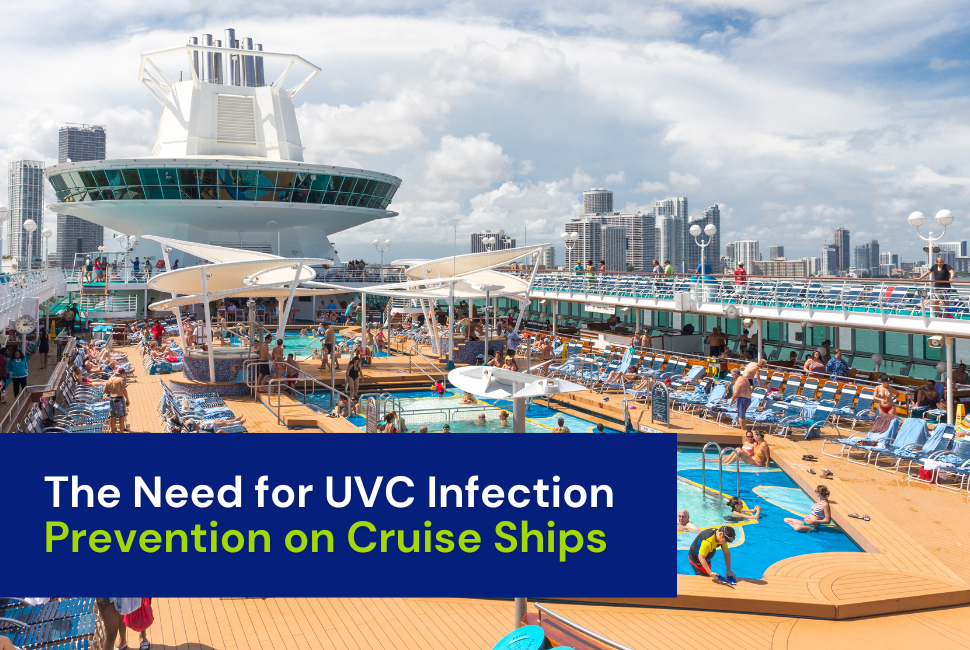
Cruise ships create ideal conditions for disease spread. Thousands of people live, eat, and socialize in close quarters for extended periods, sharing everything from dining halls and theaters to pools and gyms. Surfaces such as handrails, elevator buttons, and buffet utensils are touched by hundreds of hands daily, creating endless opportunities for pathogens to spread.
Norovirus, in particular, is notoriously difficult to control. It requires only a few viral particles to make someone sick, and infected individuals can continue shedding the virus even after symptoms subside. Compounding this, the virus can persist on surfaces like countertops, bedding, and bathroom fixtures long after cleaning if disinfection protocols are inconsistent or incomplete. Even air circulation systems, if not adequately filtered and disinfected, can contribute to pathogen spread in enclosed environments. HAND SANITATION IS JUST NOT ENOUGH…
These challenges are not limited to ships. The same high-density, shared-space dynamics exist in hospitals, daycares, correctional facilities, and universities, making the lessons learned from cruise ship outbreaks widely applicable.
How UVC Technology Breaks the Chain of Transmission
While manual cleaning and chemical disinfectants remain important, they are prone to human error, variability, and gaps in coverage. UVC disinfection adds a consistent, proven layer of protection that directly addresses the shortcomings of traditional methods.
- Surface disinfection: Mobile UVC devices can be deployed in cabins, restrooms, dining areas, or recreational spaces between passenger use. Unlike manual cleaning, which may miss corners or undersides, UVC penetrates hard-to-reach areas.
Air purification: UVC filtration systems continuously disinfect circulated air, reducing the presence of airborne pathogens that could otherwise spread through shared HVAC systems.
Rapid turnaround: UVC disinfection cycles are completed in minutes, allowing quick sanitation of high-use areas like cafeterias or medical bays without delaying operations.
Chemical-free safety: With no residues left behind, UVC is especially valuable in food service areas and passenger cabins where repeated chemical use may pose respiratory or allergy risks.
By breaking the DNA or RNA of pathogens such as norovirus, UVC inactivates them entirely, preventing reproduction and halting further transmission.
Lessons for Healthcare, Education, and Hospitality
From ships to hospitals, daycares to correctional facilities, any high-density environment benefits from proactive disinfection. UVC systems can be installed for continuous air treatment or deployed as mobile surface units. Both help reduce the risk of outbreaks like the one on the Queen Mary 2.
Take Action: Protect Your Facility from the Next Outbreak
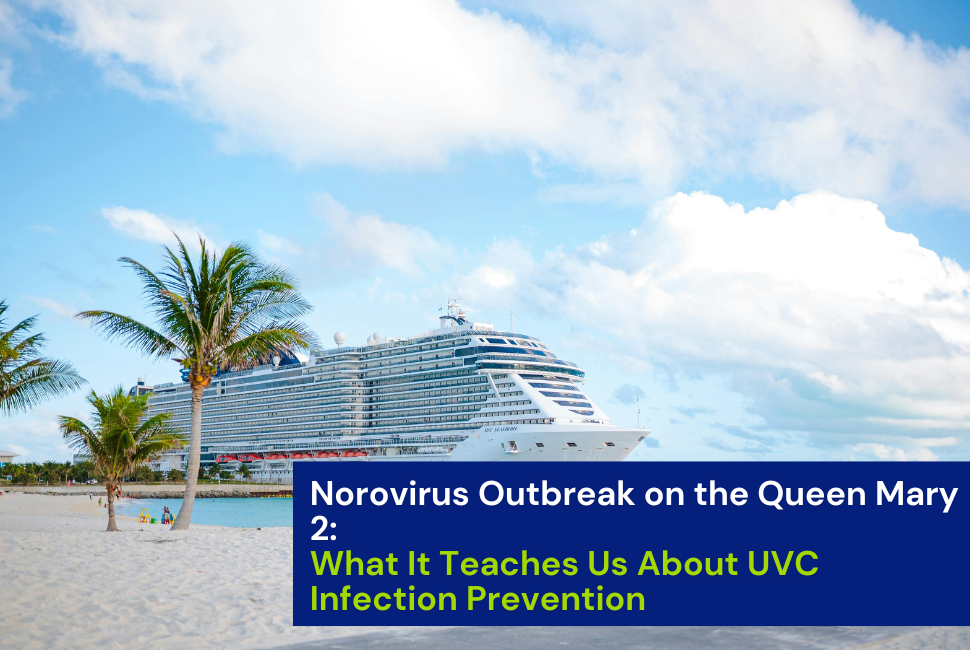
The Queen Mary 2 norovirus outbreak demonstrates how quickly infections can escalate when pathogens meet the right conditions. But it also shows what proactive facilities can do differently. By complementing traditional cleaning with UVC disinfection, organizations can reduce risks, protect staff and patrons, and avoid costly disruptions.
If your facility manages high-density spaces, whether in healthcare, education, hospitality, or transportation, now is the time to act. Don’t wait for an outbreak to highlight vulnerabilities.
Connect with our team today to explore EFFECTIVE AND AFFORDABLE UVC solutions tailored to your environment.